SMT PCB Assembly

SMT PCB Assembly: The Definitive Guide to High-Precision Manufacturing

What is SMT PCB Assembly?

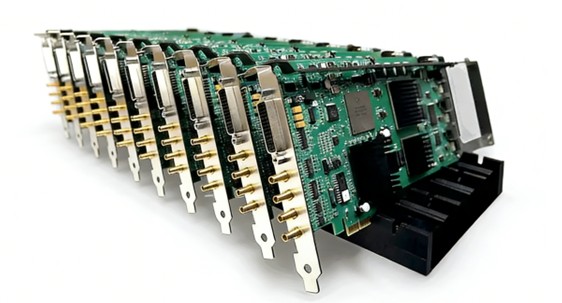
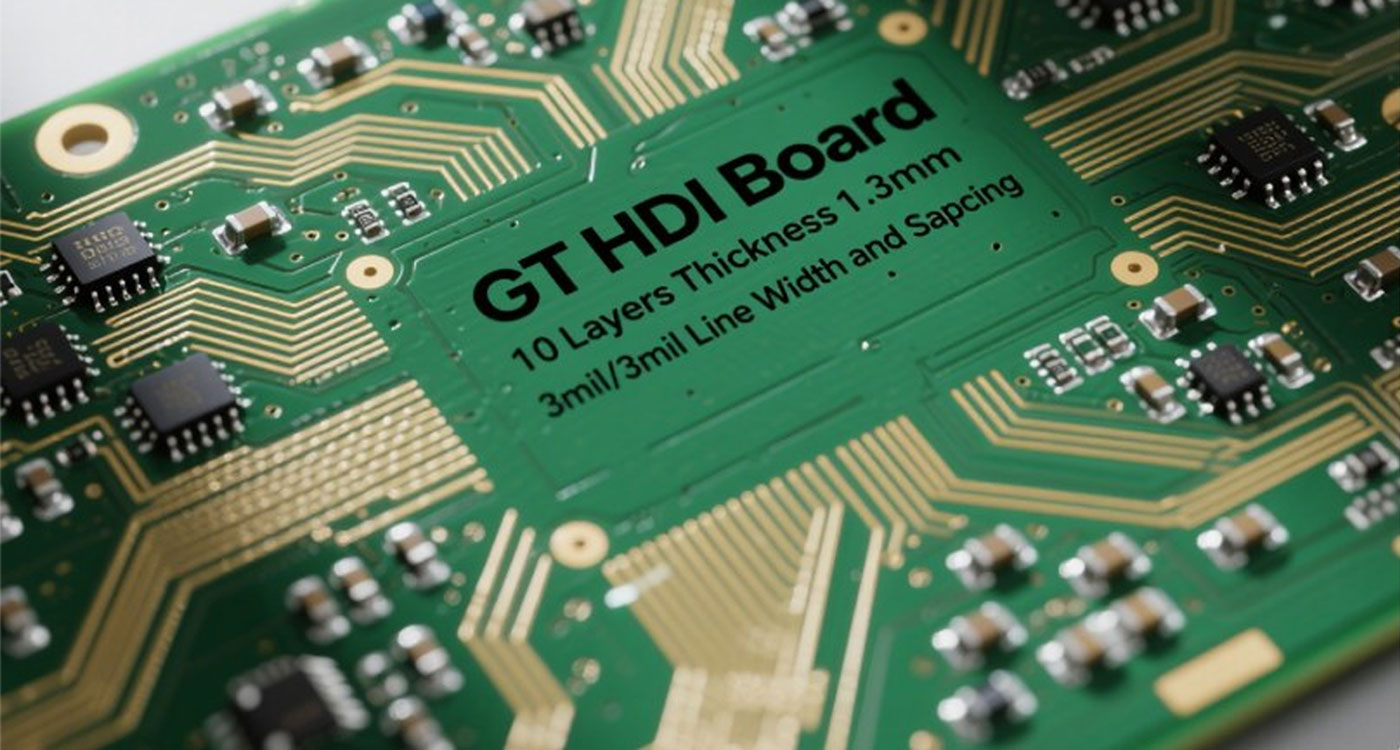
Surface Mount Technology (SMT) is the backbone of modern electronics. Unlike traditional through-hole methods, SMT mounts components directly onto the PCB surface. This "hole-less" approach has become the global standard for several reasons:

  • Miniaturization: Produces smaller, lighter, and more compact devices.
  • Performance: Higher circuit density and better electrical performance due to shorter lead lengths.
  • Automation: A fully automated 4-step process—Stencil Printing, Pick-and-Place, Reflow Soldering, and Inspection—ensures rapid, high-precision production.

Main Types of SMT PCB Assembly

To meet diverse industrial requirements, SMT assembly is categorized by board complexity and material:

  • Single-Sided Assembly: Ideal for basic, cost-effective circuit requirements.
  • Double-Sided Assembly: Supports high-density layouts for complex electronic designs.
  • Rigid PCB Assembly: The go-to for durable applications in demanding environments.
  • Flex & Rigid-Flex Assembly: Optimized for lightweight, dynamic designs and space-constrained installations.

Common Technical Challenges

Precision is paramount in SMT. Professional manufacturers mitigate common risks through rigorous process control:

  • Solder Defects: Preventing insufficient paste (weak bonds) or solder balling (short circuits).
  • Component Issues: Correcting misalignment and the "Tombstoning" effect (where small parts lift during reflow).
  • Structural Integrity: Avoiding open/short circuits and managing thermal stress via optimized reflow profiles to protect sensitive ICs.
  • Inspection Accuracy: Utilizing AOI and X-Ray to eliminate false calls and detect hidden defects under BGAs.

Industry Applications

High-precision SMT assembly is mission-critical across several key sectors:

  • Consumer Electronics: Powering smartphones, wearables, and IoT devices with compact, high-speed circuitry.
  • Automotive: Ensuring vibration resistance and thermal stability for ADAS, ECUs, and infotainment systems.
  • Industrial Automation: Supporting robotics and IIO-T systems with robust, high-connectivity modules.
  • Medical Devices: Delivering zero-failure reliability for life-support and diagnostic equipment.
  • Telecommunications: Enabling 5G infrastructure and high-speed data processing in servers and routers.

How to Secure the Best SMT Solutions?

Choosing the right partner is critical to your project’s success. Focus on these five pillars:
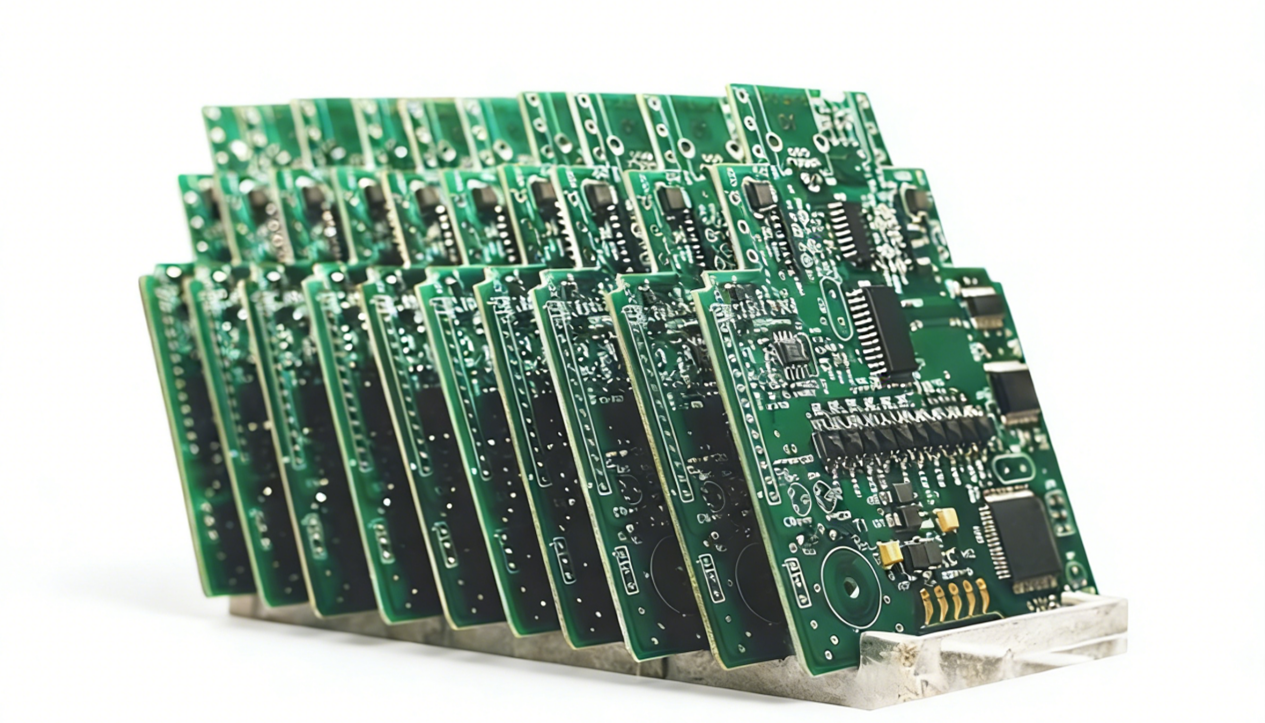
  • Technical Capability: Ensure they handle 0201 packages, BGA/μBGA, and fine-pitch components.
  • Certifications: Look for IPC-A-610 (Class 2/3) and ISO/UL compliance.
  • Advanced Testing: A "Quality First" shop must offer AOI, X-Ray, ICT, and Functional Testing.
  • Scalability: The ability to transition seamlessly from Quick-Turn Prototypes to Mass Production.
  • Engineering Support: Look for DFM (Design for Manufacturing) feedback to optimize your design before production begins.