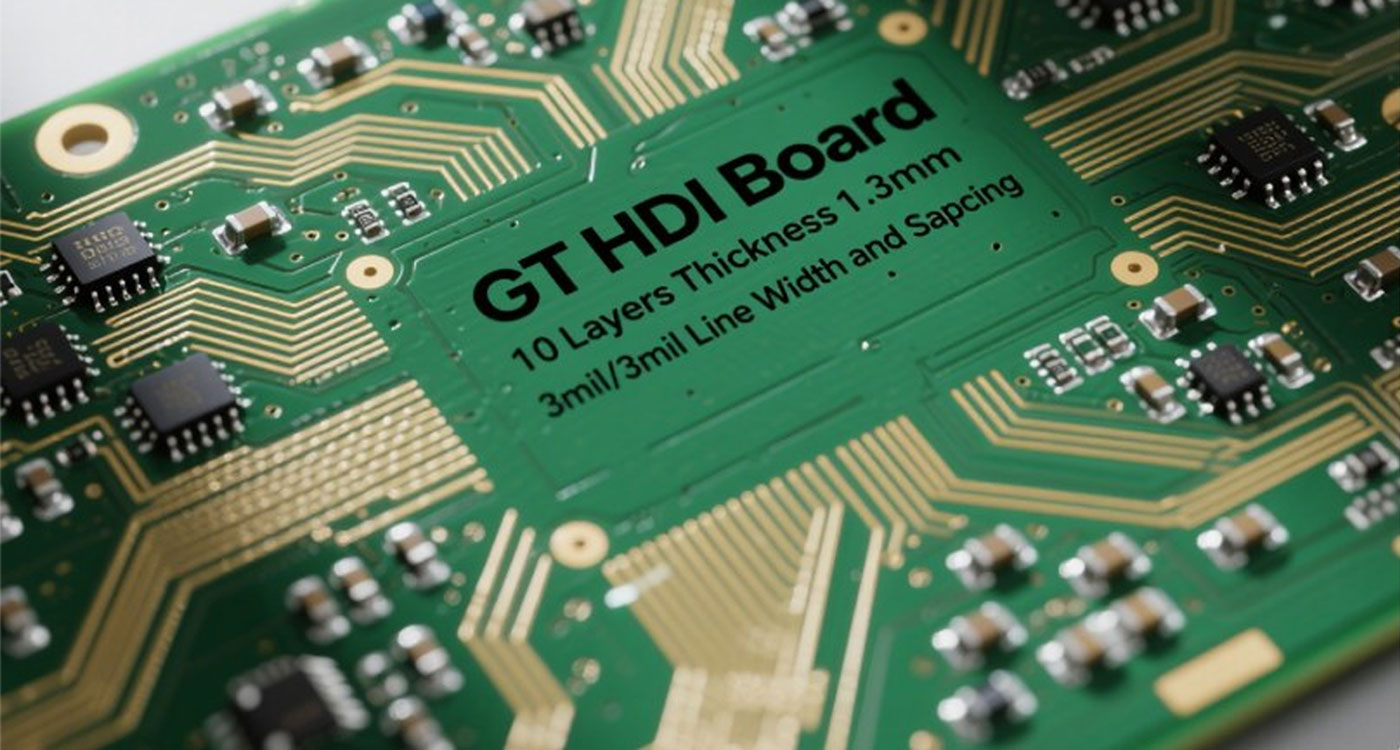
Introduction to Our Rigid PCB Products
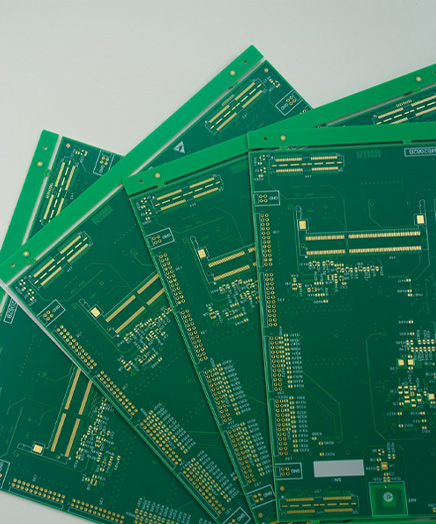
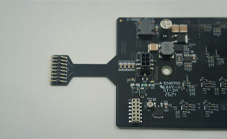
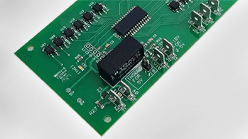
Rigid PCBs are the core of modern electronics, made from non-flexible insulating substrates (e.g., FR4) and copper foil. Unlike flexible PCBs, they cannot be bent after formation, providing stable mechanical support and electrical connections for components. Used in over 80% of consumer electronics, their multi-layer design is an electronics industry cornerstone.
Key layers:
| Description | Capability |
|---|---|
| Layer Count | 2-30L (HDI:1+n+1; 2+n+2) |
| Board Thickness | 0.2mm---5.0mm |
| Copper Weight | Inner: 6oz, Outer: 4oz |
| Material | FR4 (Kingboard,Shengyi,ILM,ITEQ,PTFE,OGERS,ARLON,ISOLA,TACONIC,Nelco) |
Rigid PCBs offer unique benefits for high-performance applications, with core advantages summarized below:
Mechanical Strength & Stability: Stiff substrate (e.g., FR4 fiberglass) resists warping, vibration, and shock, securing components and electrical connections—ideal for harsh environments like automotive/industrial systems.
Mechanical Strength & Stability: Stiff substrate (e.g., FR4 fiberglass) resists warping, vibration, and shock, securing components and electrical connections—ideal for harsh environments like automotive/industrial systems.
Mechanical Strength & Stability: Stiff substrate (e.g., FR4 fiberglass) resists warping, vibration, and shock, securing components and electrical connections—ideal for harsh environments like automotive/industrial systems.


 Hindi
Hindi
 Chinese
 Japanese